
Remember that first time you watched a slot machine spin, the lights flashing, the sounds building to a crescendo? It felt like pure chance, a simple game of luck, right? Wrong. What seems random and fun is often the product of meticulous design, carefully engineered to tap into the deepest corners of human psychology. Slot machines, both physical and digital, are crafted to be engaging, and sometimes, unfortunately, addictive.
This isn’t about condemning the gaming industry; it’s about shining a light on the mechanics at play. This exploration into slot machine psychology aims to educate you, the player, revealing the secrets behind their addictive design, so you’ll get empowerment for recognition of manipulative features. By understanding these cognitive biases and design tricks, you can approach slots with your eyes wide open and make informed decisions, promoting responsible gambling and ensuring that entertainment never crosses the line into compulsion.
Users play this machines everyday, so this is why responsible gambling is important, playing in control is the key.
The Core Psychology of Slot Machines: Operant Conditioning
Slot machines are engineered to tap into the core principles of operant conditioning, a learning process where behavior is modified by its consequences. Central to this concept is variable reinforcement, a technique that delivers rewards unpredictably, creating a powerful and compelling reward system.
B.F. Skinner, a pioneer in behavioral psychology, demonstrated that behaviors reinforced on a variable ratio basis are more resistant to extinction. In the context of slot machines, this means that payouts occur after an unpredictable number of plays. This unpredictability drives a powerful reinforcement loop, keeping individuals engaged. The sporadic nature of wins stimulates the release of dopamine, a neurotransmitter associated with pleasure and reward, creating a cycle of excitement and anticipation. The brain is wired to seek out these dopamine rushes, making the act of playing slot machines inherently appealing.
Even “near misses,” where the reels almost align for a win, can trigger similar emotional responses. These instances create the illusion of control and encourage continued play, as the player feels they are on the verge of winning. Variable reinforcement is also present in everyday activities, like checking email or social media, where the anticipation of a reward (a new message or notification) drives repetitive behavior. However, slot machines amplify this effect, creating a highly engaging and potentially addictive experience.
Audio-Visual Manipulation: The Senses on Overdrive
Slot machines are meticulously designed to maximize player engagement through a symphony of audio-visual cues. These elements work in harmony to amplify the perceived value of wins and sustain a thrilling atmosphere. The strategic use of light, color, sound, and motion creates a sensory experience that keeps players riveted, even though these cues don’t influence the random number generator (RNG) that determines the game’s outcome.
Visually, slot games employ bright colors, flashing lights, and celebratory animations like confetti bursts to signal winning combinations. This design leverages ‘salience and contrast,’ ensuring that positive outcomes pop against the darker background of the game interface, instantly capturing the player’s attention. Auditory cues, such as catchy win jingles and triumphant music, are carefully layered to escalate the excitement as the reels spin. These sounds often follow a pattern, starting with a neutral hum and building to a celebratory fanfare as the potential for a win increases.
Game designers also use ‘anticipation cues’ to heighten suspense. Slow reel stops, pulsating heartbeats, and camera shakes occur when scatter symbols land on the first reels to create a near-miss narrative. This intensifies arousal and the desire to spin again. This tactic taps into classical conditioning, associating specific sounds and visuals with the expectation of a positive outcome, reinforcing continued play. By carefully orchestrating these audio-visual elements, slot machines create an immersive experience that is both captivating and potentially habit-forming.

Variable Rewards and Reinforcement Schedules
Humans are wired to crave patterns. Our brains constantly seek to understand and predict the world around us. This inherent desire becomes particularly evident when variable rewards are introduced. Imagine the flashing lights and enticing sounds of a slot machine. These games operate on different schedules of reinforcement, most notably variable and fixed ratios, triggering a deep-seated urge within us to identify winning combinations.
Here’s a brief overview of reinforcement schedules:
- Fixed Ratio: Rewards are given after a set number of responses.
- Variable Ratio: Rewards are dispensed after an unpredictable number of responses.
The intermittent nature of these rewards creates a powerful illusion. The brain becomes fixated on finding a pattern, a method to predict the next payout. This pursuit becomes all-consuming, even though, a predictable pattern never appears.
The Near-Miss Effect
Ever felt that pang of excitement when slot machine symbols ALMOST line up? That’s the near-miss effect in action, a cognitive bias that messes with our perception of wins and losses. It’s that tantalizing “so close!” feeling when you’re gambling. Even though it’s still a loss, your brain doesn’t quite see it that way.
Research shows that near-misses activate the same reward centers in the brain as actual wins, making them far more motivating than straightforward losses. Game designers know this, of course. This is why slot machines are carefully designed to produce frequent near-misses, keeping players hooked with the illusion that a big win is just around the corner. It’s like dangling a carrot – it looks attainable, even if it isn’t.
Think about it: a near-miss feels qualitatively different from a complete miss. It fuels the “gambler’s fallacy,” the belief that past outcomes influence future odds (“I’m due for a win!”). In reality, each spin is independent. The near-miss effect exploits this flawed reasoning, turning a loss into a powerful incentive to keep playing. It’s a sneaky psychological trick that keeps the coins dropping.
Losses Disguised as Wins (LDWs)
Slot machines are designed to be captivating, and one of the key tactics they employ is the use of Losses Disguised as Wins, or LDWs. These deceptive events occur when you receive a payout that is smaller than your original bet, yet the machine celebrates it as a “win” with flashing lights and celebratory sounds. Imagine betting $2 and “winning” back $0.50 – the flashy display and upbeat jingle trick your brain into perceiving it as a success, even though you’ve technically lost $1.50.
This manipulation inflates the perceived hit rate, making you believe you’re winning more often than you actually are. It’s a cognitive distortion that keeps players engaged and pumping money into the machine. For example, a player might experience ten spins: seven losses, two actual wins, and one LDW. The LDW can trick the player into thinking they had three wins instead of just two. The ethical implications of LDWs are significant. Critics argue that they exploit vulnerabilities in human perception, encouraging prolonged play and potentially leading to harmful gambling habits.
Gamification and Illusion of Control
Casinos and online gambling platforms masterfully employ gamification to amplify the illusion of control. Features such as bonus rounds and the apparent ability to stop spinning reels convince players they possess influence over a purely random outcome. These elements tap into inherent cognitive biases, fostering a false sense of skill and predictive ability.
Even seemingly small choices contribute to this illusion. The option to manually stop the reels, for instance, gives the impression that timing and reflexes matter, when in reality, the result is predetermined by a random number generator. ‘Autoplay’ and ‘fast-spin’ modes further strip away interaction, paradoxically increasing engagement by minimizing the perceived effort required to win.
Personalized algorithms enhance the illusion of control by tailoring the gambling experience to individual preferences. These algorithms may present players with games they are more likely to “almost win” at, or offer bonuses tied to specific betting patterns. This creates a self-reinforcing loop where players attribute their successes to skill and strategy, rather than acknowledging the inherent randomness. The more personalized the experience, the deeper the illusion becomes, increasing the risk of addiction.
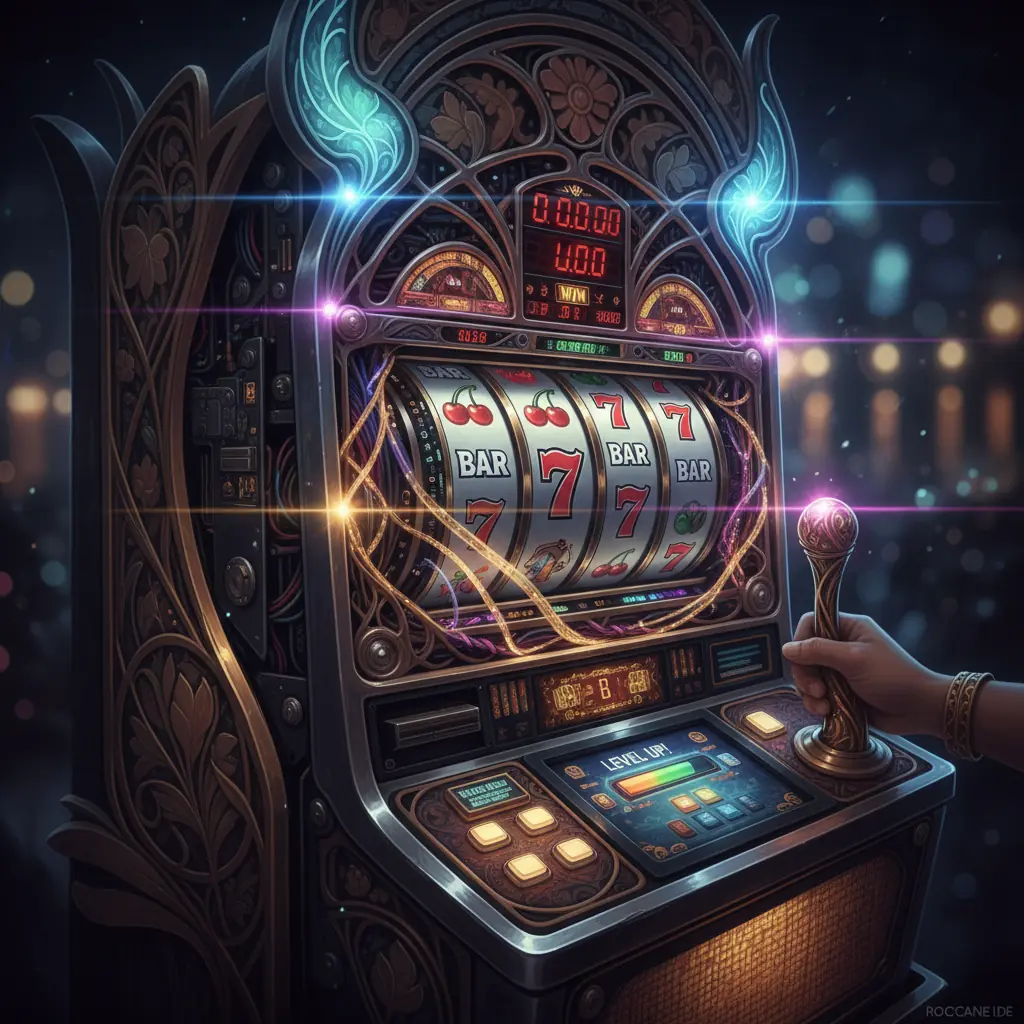
Personalization and Algorithmic Tweaks
The world of online slots has moved far beyond the simple spinning reels of the past. Today, casinos are using powerful personalized algorithms to fine-tune the gaming experience for each individual player. This means the game you’re playing might subtly change its difficulty and odds in response to your behavior.
This is how it works: these algorithms analyze masses of player data, tracking everything from session length and bet size to reaction time and win/loss ratios. If the system detects a player is on a losing streak, it may subtly increase the frequency of smaller wins to keep them engaged. Conversely, if a player is winning too often, the algorithm may tighten the odds to maintain profitability for the casino. In the end, it will let you burn your money, one spin at a time.
The main goal of these personalized algorithms is to maximize player retention by creating a feeling of fairness and excitement. It’s all based on machine learning that is designed to create carefully crafted “near-misses” where players are close to winning, keeping them on the edge of their seats and invested in the next spin. While it can be thrilling, it’s crucial to understand that these adjustments are happening behind the scenes, often without players being aware of them.
Ethical Considerations and Responsible Gaming
In the realm of gaming, particularly with games that mimic gambling, ethical considerations and responsible gaming practices are paramount. Developers and operators carry a significant responsibility to ensure a transparent and safe environment for players. This means more than just adhering to legal requirements; it involves a commitment to player well-being and a proactive approach to preventing gambling-related harm.
One of the primary ethical duties is transparency. Players should have a clear understanding of the odds involved in any game, as well as the potential risks. This information should be readily accessible and easy to understand, not buried in fine print. Additionally, developers should avoid using manipulative designs that exploit psychological vulnerabilities, encouraging impulsive or excessive play. Responsible design prioritizes entertainment and skill over the potential for addiction.
Beyond transparency, operators should provide players with practical tools to manage their gaming habits. Deposit limits allow players to set a maximum amount they can spend within a given timeframe, while time limits help prevent prolonged sessions that can lead to loss of control. Self-exclusion programs offer a more drastic measure for those who recognize they have a problem, allowing them to ban themselves from a specific platform or even multiple gaming establishments.
It’s vital to remember that gambling should be seen as entertainment, not a means of financial gain. The allure of winning can be powerful, but it’s crucial to approach gaming with a mindset of fun and relaxation. When the pursuit of wins starts to overshadow the enjoyment, it’s time to take a step back and reassess. Awareness is the first step toward self-control, and resources are available for those who need help. If you or someone you know is struggling with gambling addiction, organizations like the National Council on Problem Gambling (NCPG) offer support and guidance. Responsible gaming is not just a set of rules, it’s a mindset that prioritizes player health and enjoyment.
Conclusion
Slot machines are more than simple games of chance; they are carefully engineered experiences designed to engage players on a psychological level. By understanding the tactics behind slot machine design, gamblers become more aware of how these games can influence their behavior.
This knowledge empowers players to make informed decisions about their gambling habits. Responsible gaming involves setting limits, recognizing the illusion of control, and understanding that near-misses and losses disguised as wins are strategies used to encourage continued play. Keeping in mind that casino games are designed for entertainment, it’s possible to enjoy the experience knowing the methods of engagement.
Gambling awareness is essential for a healthy and balanced approach to casino gaming. Share this information with fellow players to promote responsible gaming practices and help others stay informed. By understanding the psychology of slot machines, the players can have a better control of their decisions.